Behind the Glow: Keeping the Games Alive at Life Bar Arcade
At Life Bar Arcade, keeping the floor lit is only part of the mission. Keeping the games playing the way they should is where the real side quest kicks in. That’s why we’re so passionate about in-house arcade game restoration and ensuring your favorite cabinets and multi-players are well-kept, fixed quickly, and done with expert precision.
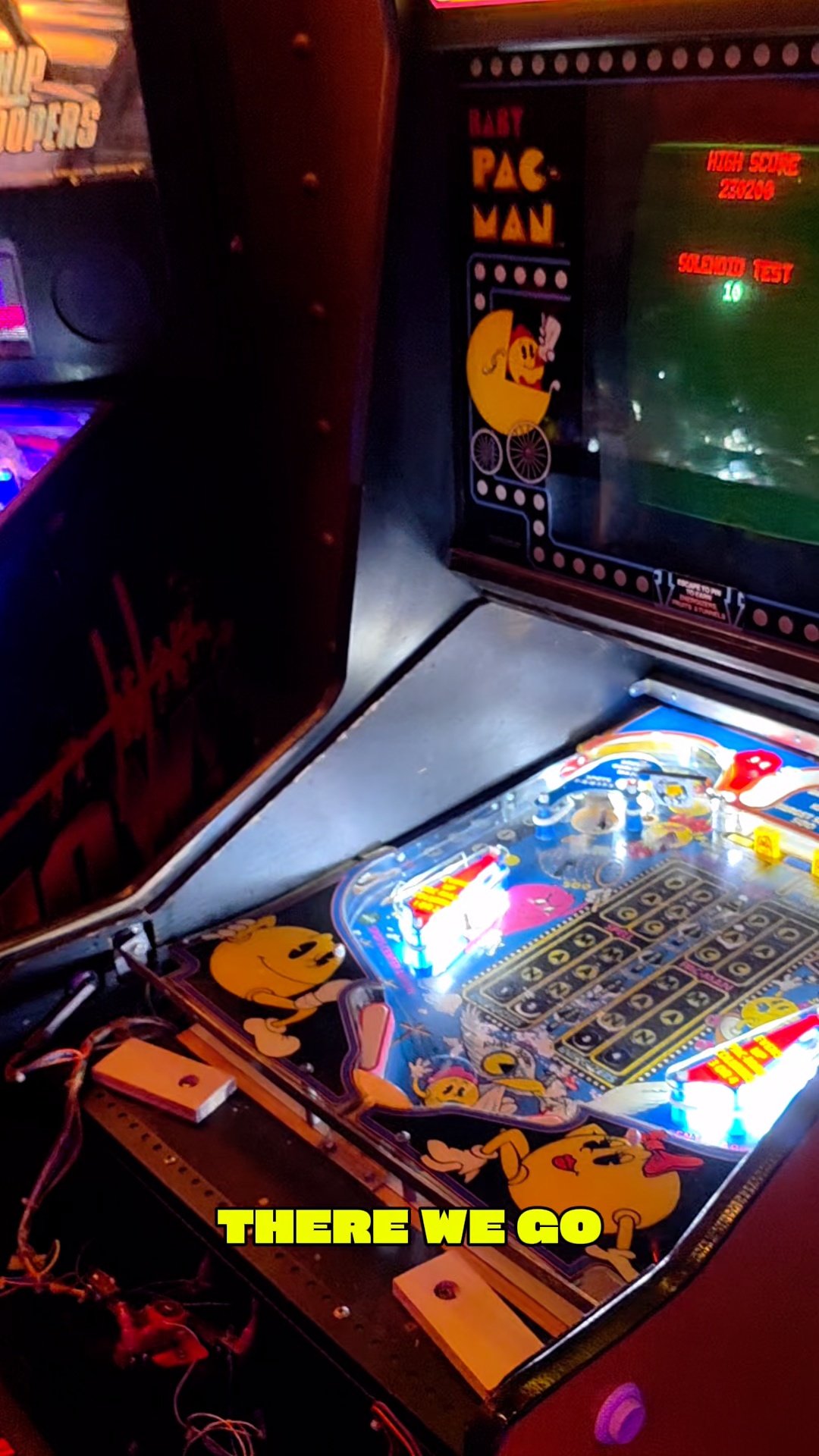
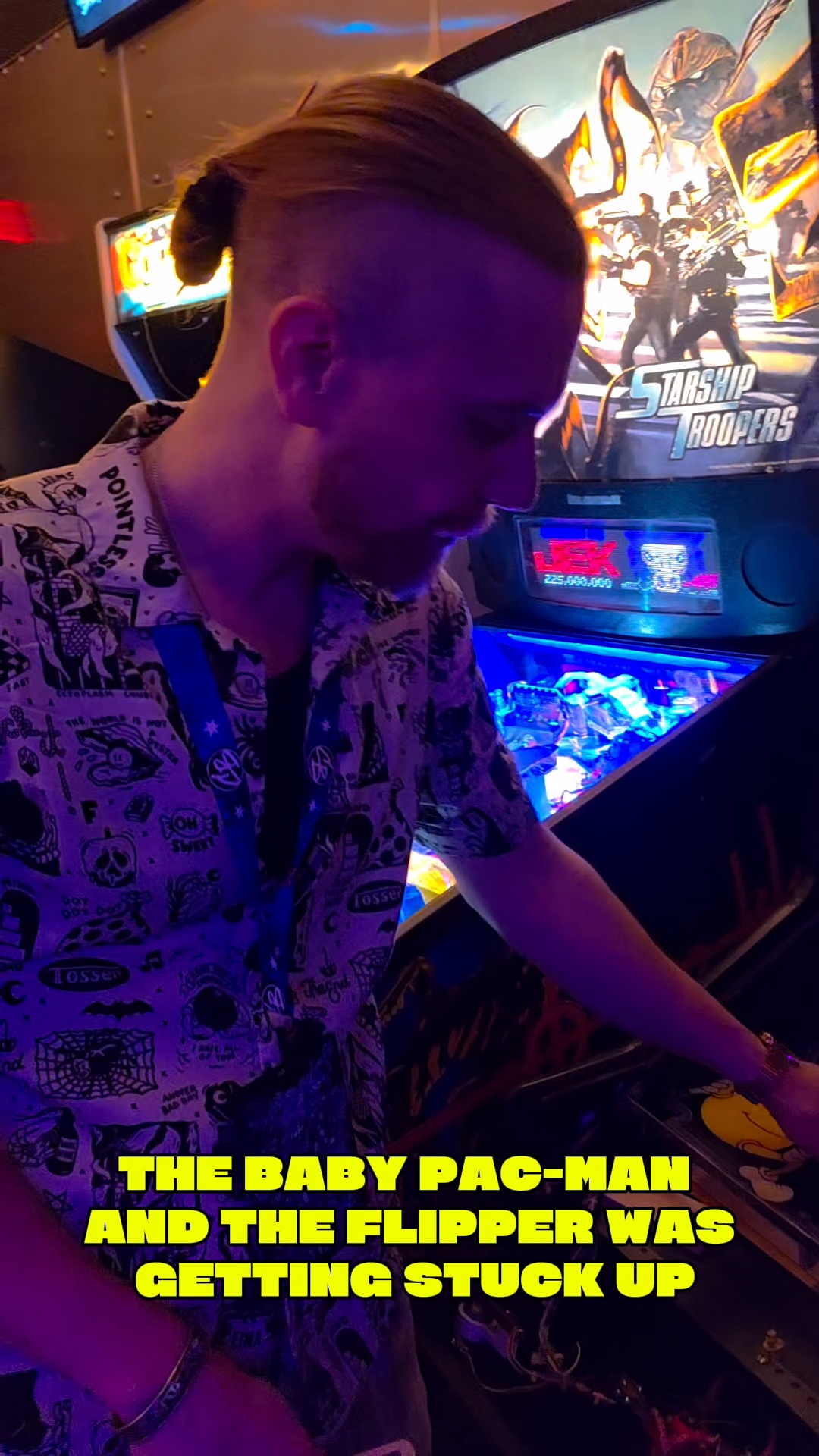
In this case, the problem starts with a stubborn issue inside Baby Pac-Man. One of the flippers is getting stuck, which means the machine is technically on, but not really ready for prime time. And at Life Bar Arcade, “close enough” does not cut it.
So the fix begins the way a lot of arcade fixes do: open it up, get inside, and start chasing the problem piece by piece.
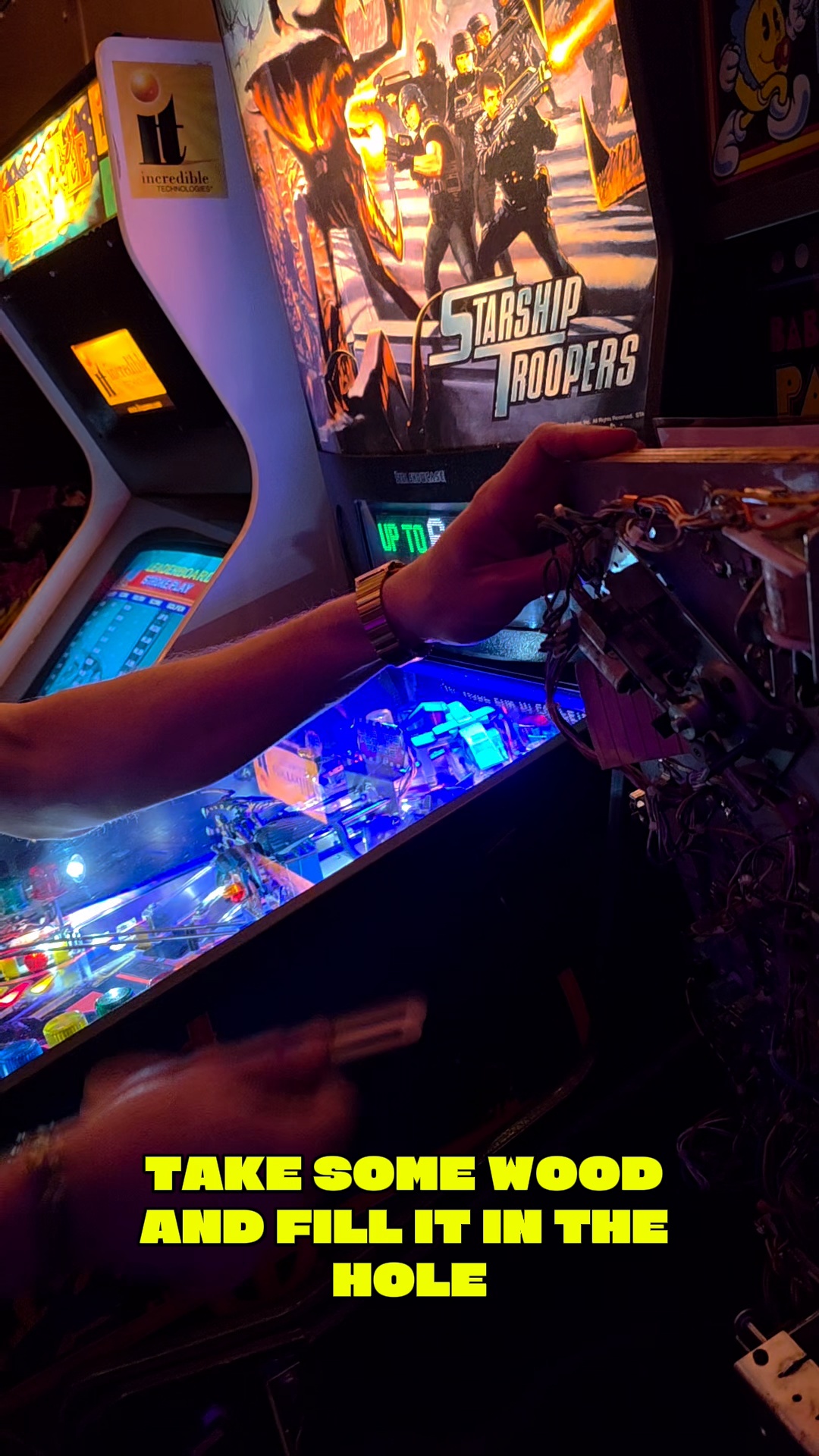
The first move is mechanical. The inside gets inspected, parts get tested, and the issue starts narrowing down to a spot that is not moving the way it should. A small adjustment gets made, including taking out some wood and filling the hole to help free things up. It is not flashy work, but that is usually how real arcade repair goes. Small fix. Test. Small fix. Test again.
Then comes the first good sign.
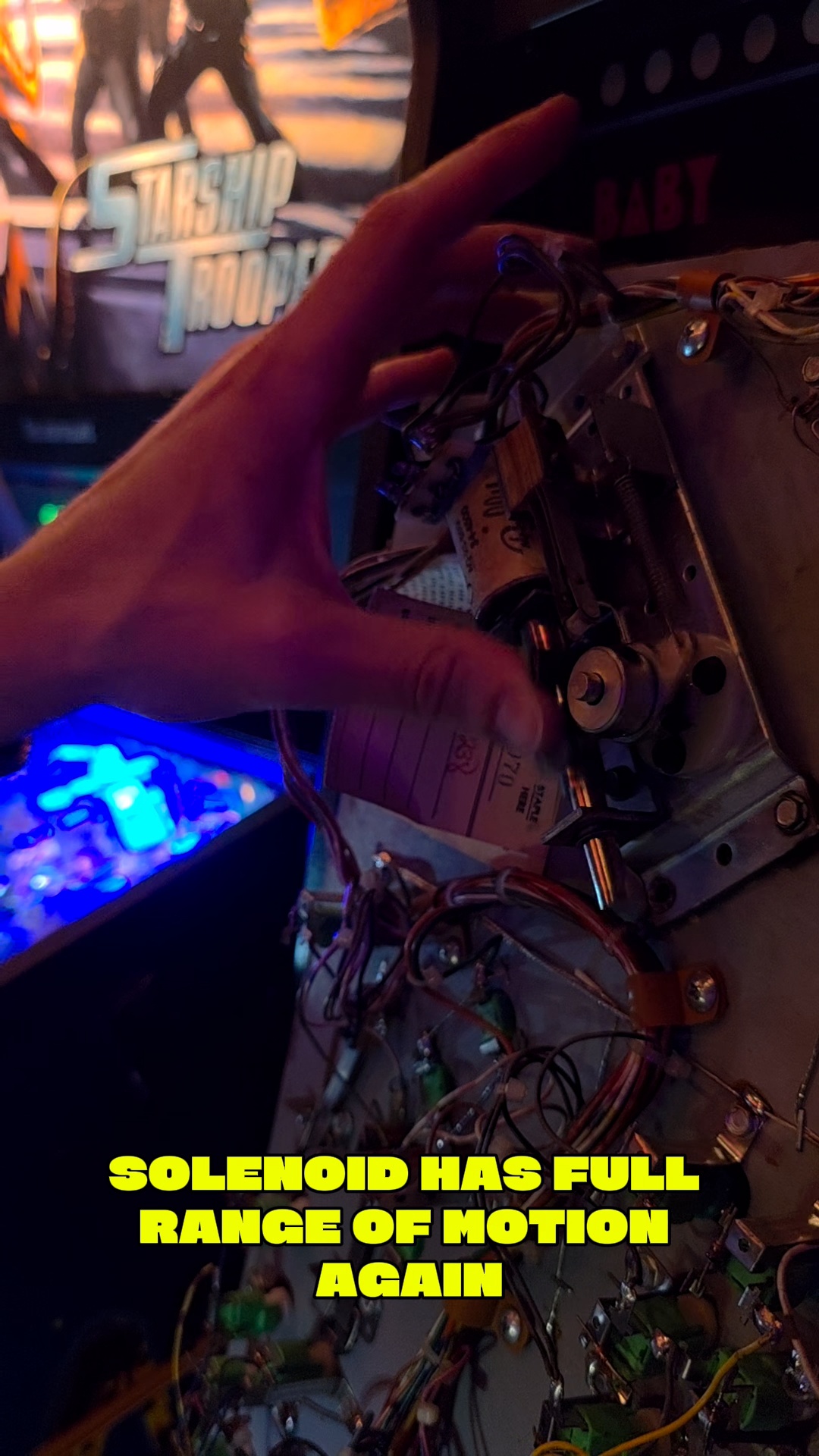
The solenoid gets its full range of motion back, and suddenly the mechanism is not sticking anymore. That is the kind of moment that feels like a win. Not a dramatic movie-ending win, but a real one. Progress. Movement. Something that was jammed is finally doing what it is supposed to do.
But of course, with old machines, one solved problem can reveal the next one.
Now the flipper is moving better, but the machine still is not firing the way it should. So it is back into troubleshooting mode. More testing. More checking. More narrowing things down. That leads to another suspect part, the kind of tiny behind-the-scenes culprit that most guests would never notice but that can make all the difference between “kind of works” and “fully back.”
Once that piece gets identified, it is swapped in and tested again.
And then you get the payoff.
The machine responds. The movement is clean. The action is back. The game is running the way it is supposed to. That final moment hits because it is not just about fixing a part. It is about bringing a classic cabinet back online and back into the lineup where it belongs.
Using wooden utensils at Life Bar is not only better for the environment, but they come in handy as filler wood for a gap in a solonoid housing from time to time!
That is the part people do not always see when they walk into Life Bar Arcade.
They see the neon. The open floor. The pinball. The arcade cabinets. The drinks. The atmosphere. What they do not always see is the hands-on work that keeps the whole place alive. The weird little fixes. The patient testing. The moments where one tiny part refuses to cooperate until, finally, it does.
And honestly, that is part of the fun.
Because Life Bar Arcade is not supposed to feel like a museum where old machines just sit there looking cool. It is supposed to feel alive. It is supposed to be playable. It is supposed to hum, flash, react, and pull you into one more game when you were already supposed to head home.
That only happens when the classics get the attention they deserve.
So the next time you are roaming the floor, chasing a score, or jumping from machine to machine, just know there is a lot happening behind the curtain to keep that experience intact. Sometimes it takes a little detective work. Sometimes it takes a stubborn repair session. Sometimes it takes one last part swap and a final test run.
And when it all clicks, the whole arcade wins.
end of line…