Opening a Brand-New Commodore 64 in 2026
Something is slightly wrong with opening a brand-new Commodore 64 in 2026. Not bad wrong. More like timeline wrong.
The Commodore 64 belongs to beige carpet, wood-paneled basements, tube televisions, spiral notebooks full of BASIC commands, and childhood afternoons that somehow lasted six hours. It is a computer that should arrive smelling faintly of somebody else’s attic, with a mystery cable wrapped around the power supply and at least one floppy disk labeled in handwriting nobody recognizes.
Instead, ours showed up in a new box.
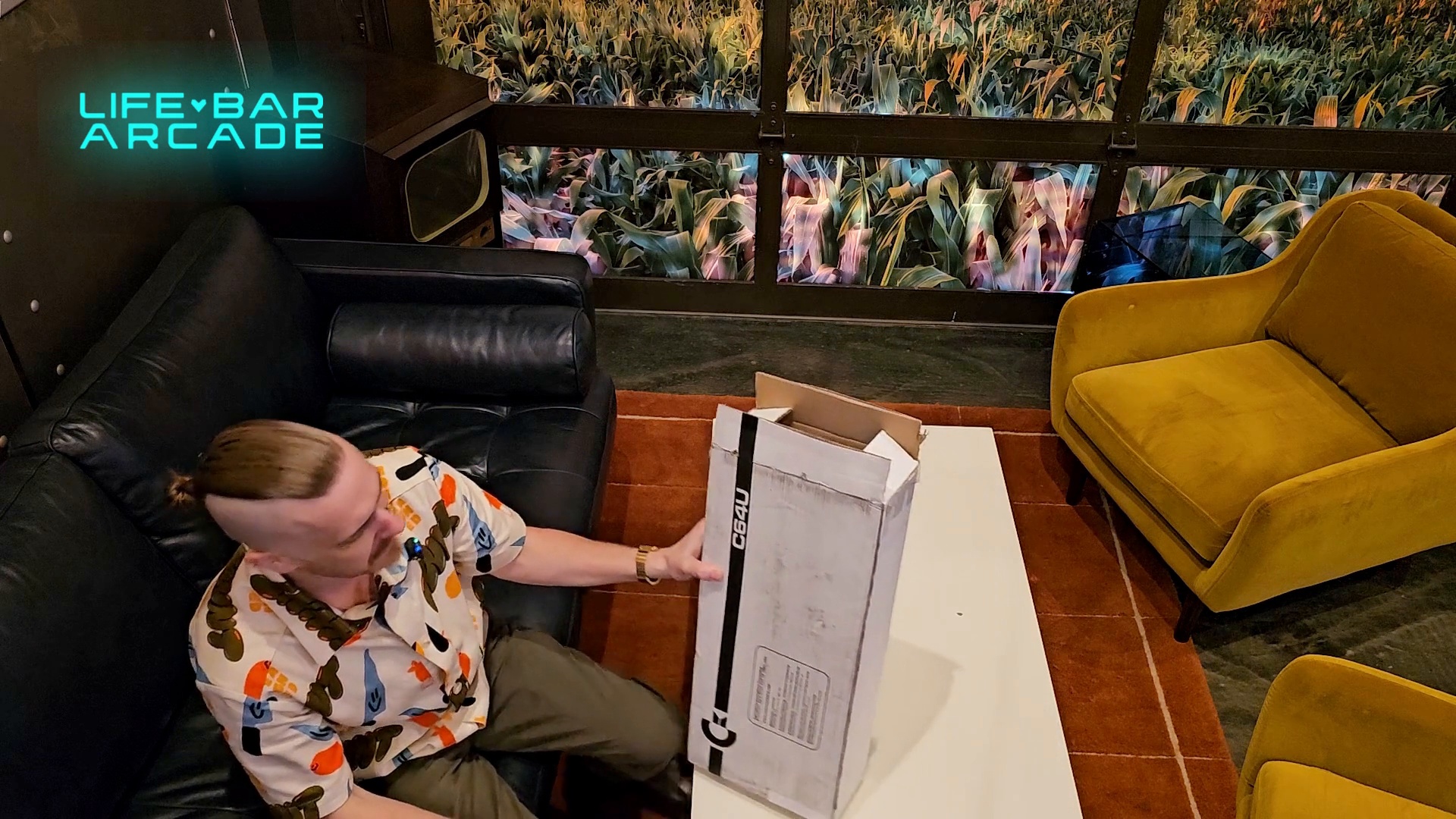
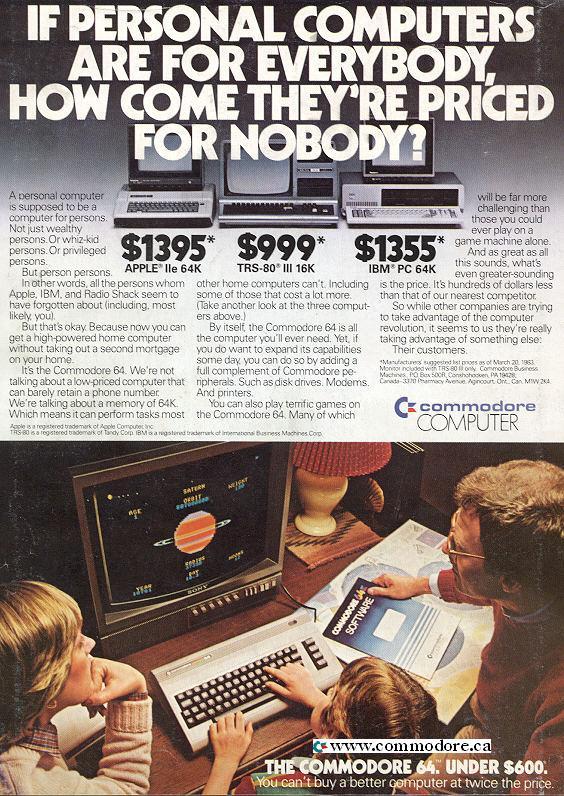
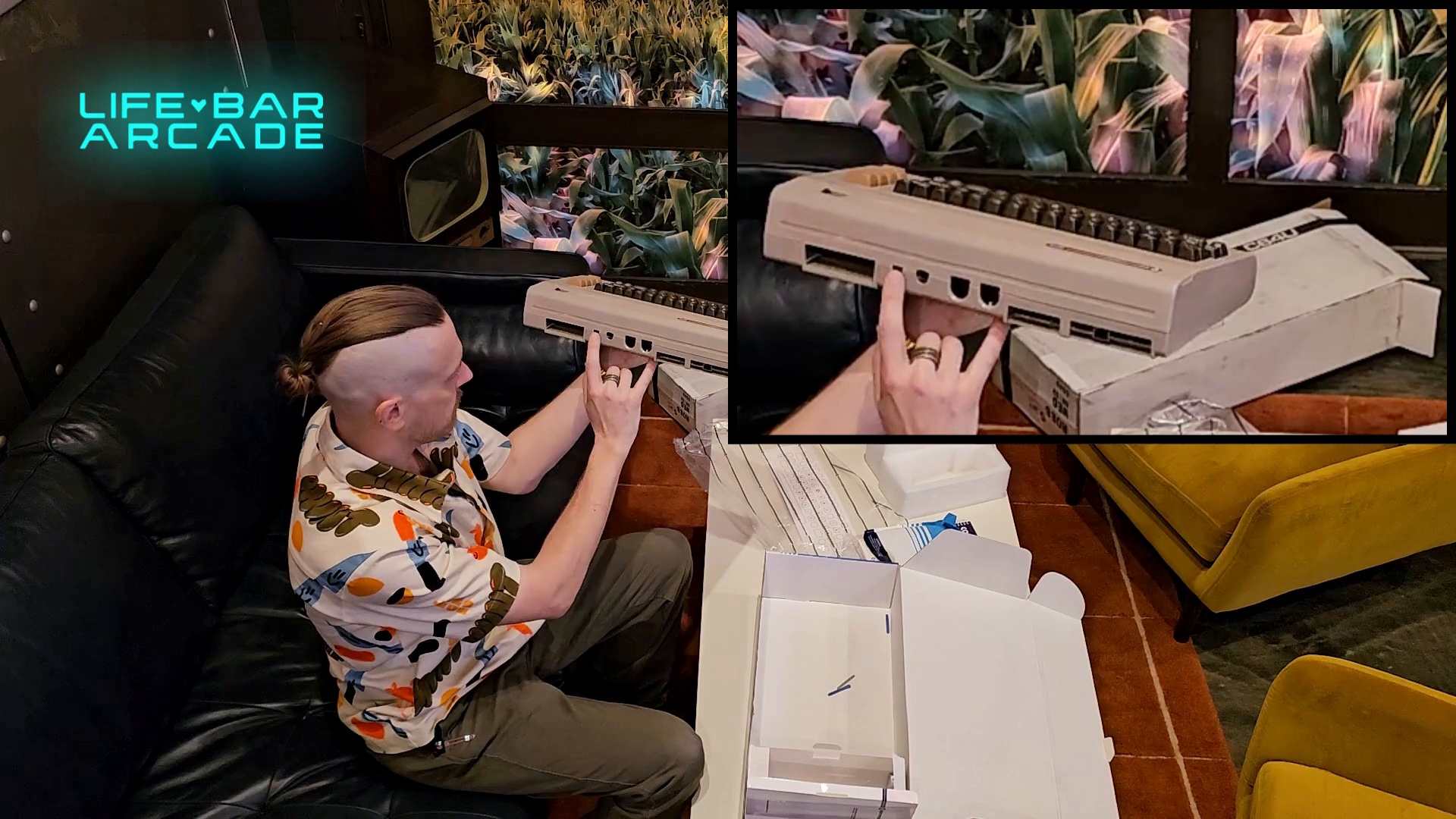
Commodore sent Life Bar Arcade one of its new Commodore 64 Ultimate systems, and opening it created this strange little collision between memory and the present. The box comes apart, the machine slides out, and there it is: that familiar breadbin shape, the brown and beige keyboard, the keys that immediately look like they should have been sitting on somebody’s desk in 1983. Except this one has never belonged to anybody before.
That may be the most interesting thing about the Commodore 64 Ultimate. It does not feel like someone simply borrowed the shape of an old computer and stuffed an emulator inside. The machine uses FPGA hardware designed to recreate the original C64 at the hardware level, with Commodore describing it as a cycle-accurate implementation intended to maintain extremely high compatibility with original software. In other words, the idea is not just to make something that looks like a Commodore 64. It is to make a Commodore 64 again. Once you start unpacking everything, that philosophy becomes pretty obvious.
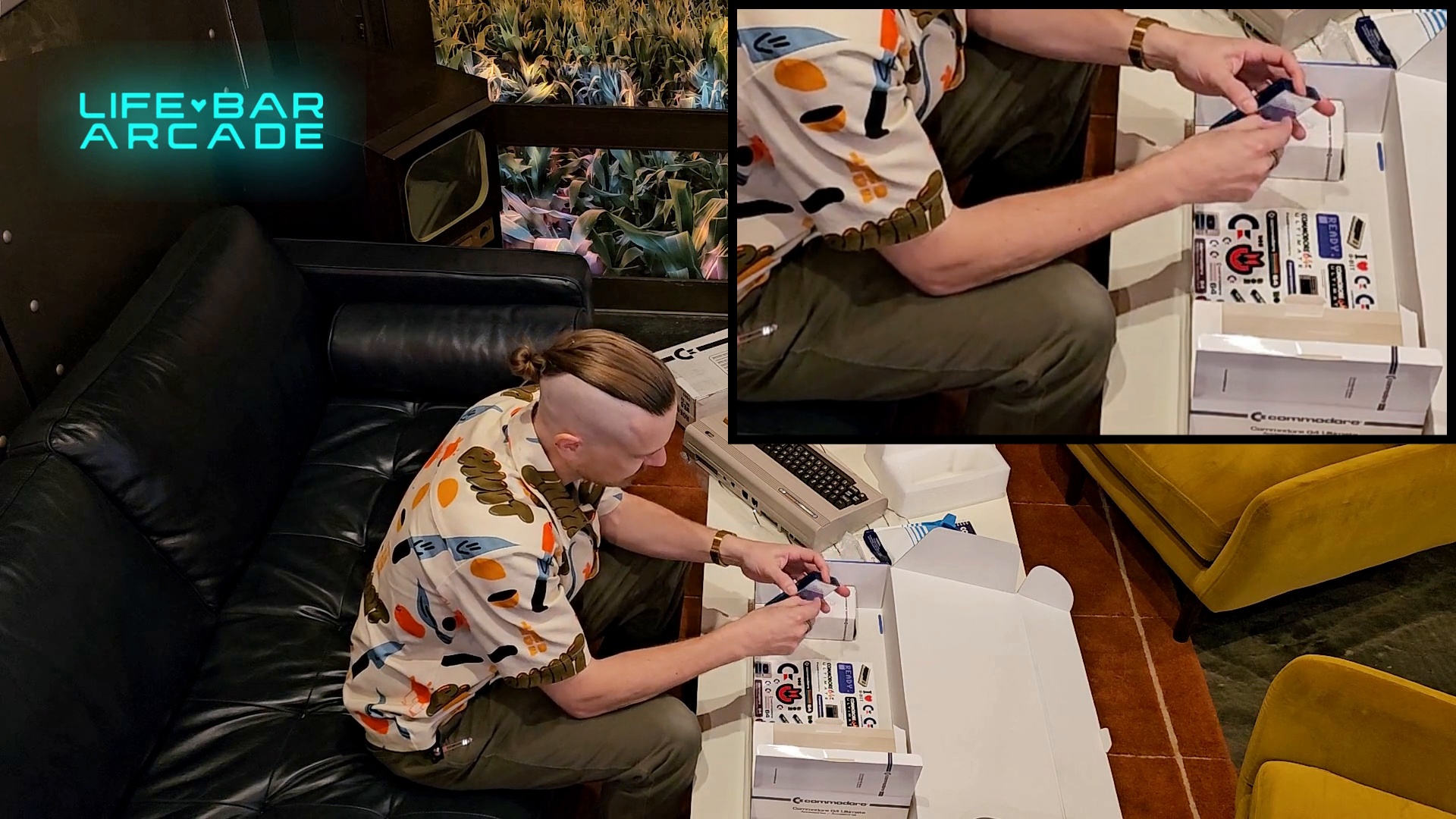
There is documentation. Real documentation. Something you can actually hold in your hands and leave sitting beside the computer while you figure out what you are doing. There are cables, accessories, software, and all the little pieces that make unpacking a computer feel like an activity instead of the thirty-second obstacle between you and signing into another account. It’s oddly refreshing.
Modern technology works very hard to remove the machinery from the experience. Ideally, you open the box, press one button, connect to Wi-Fi, and never think about what is happening underneath. The Commodore comes from a completely different philosophy. It wants you to poke around. Plug things in. Read something. Type something. Break something. Fix it. Try again. That was always part of the magic of the original machine.
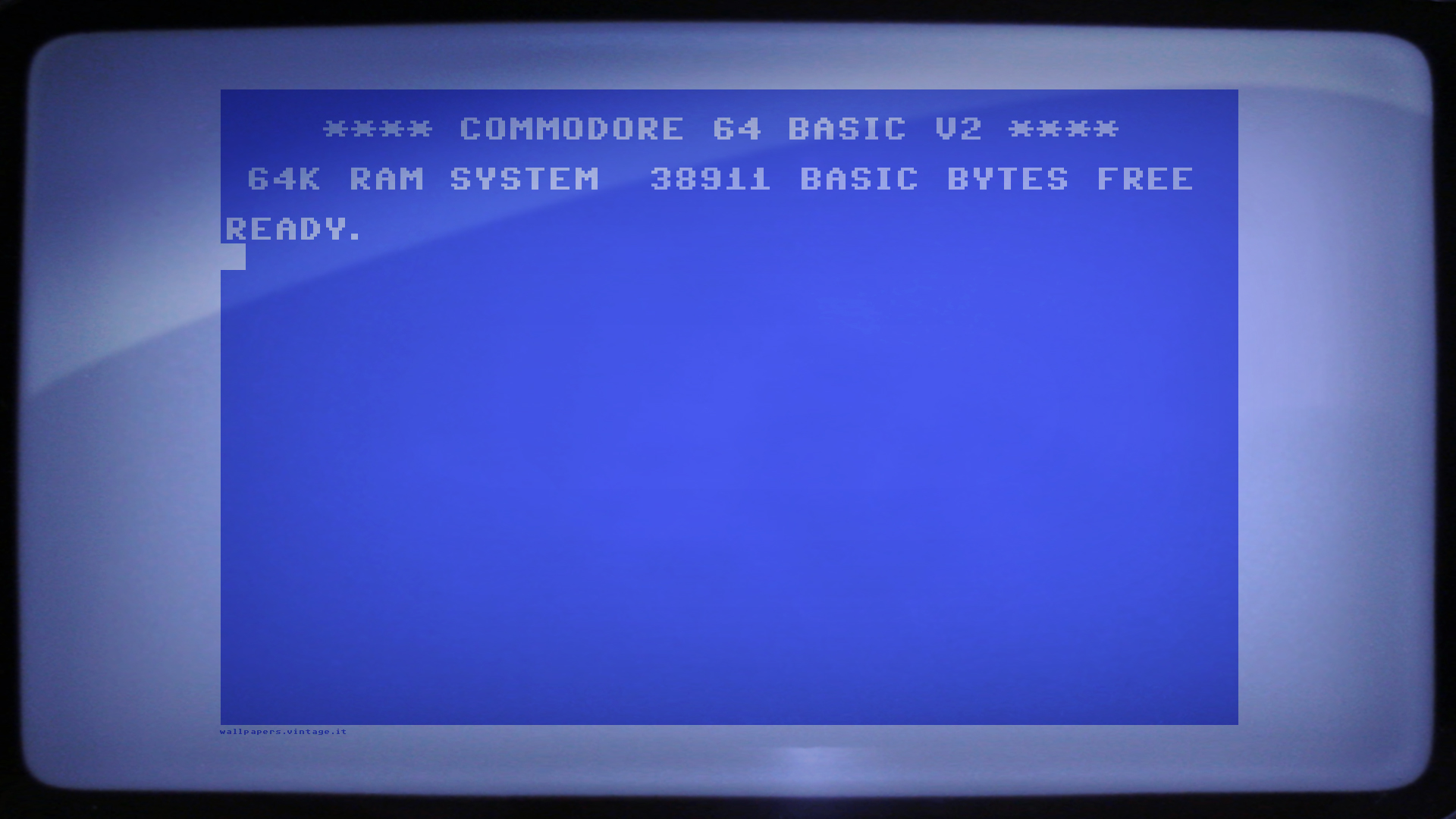
For a lot of people, the Commodore 64 was technically a game system until they realized the blinking cursor was waiting for instructions. You could load a game, but you could also sit down with a manual and start entering BASIC commands. Sometimes you made something useful. Sometimes you made your name repeat across the screen forever. Sometimes you spent twenty minutes typing something from a magazine only to discover that somewhere around line 140 you had made a mistake.
That was computing.
The new hardware does have a few tricks its ancestor could never have imagined. The Ultimate includes expanded memory, faster operating modes, programmable lighting, modern connectivity, and continued firmware development. Commodore is even encouraging people to create new software specifically for the machine instead of treating it purely as a museum piece. That may be where this gets most interesting, because apparently the Commodore 64 is not finished.
New machines are being manufactured. Firmware is being updated. Developers are making software for them. Commodore has said tens of thousands of new systems have already been produced, and the company has even gone as far as reacquiring original injection molds from the 1980s for newer C64C-style cases.
We spend a lot of time at Life Bar Arcade keeping old machines alive. Cabinets get opened. Boards get repaired. Pinball machines get adjusted. Controllers get rebuilt. Parts that have not been manufactured in decades somehow find their way into the hands of someone willing to give a machine another life. The Commodore 64 Ultimate approaches the same idea from the opposite direction. Instead of asking how long we can keep the old machine running, somebody asked what would happen if we simply built it again.
So now it is sitting here at Life Bar Arcade, ready for its first programs, its first games, its first badly typed lines of BASIC, and whatever strange little experiments come next. Forty-some years later, the cursor is blinking again.
READY?
end of line…